
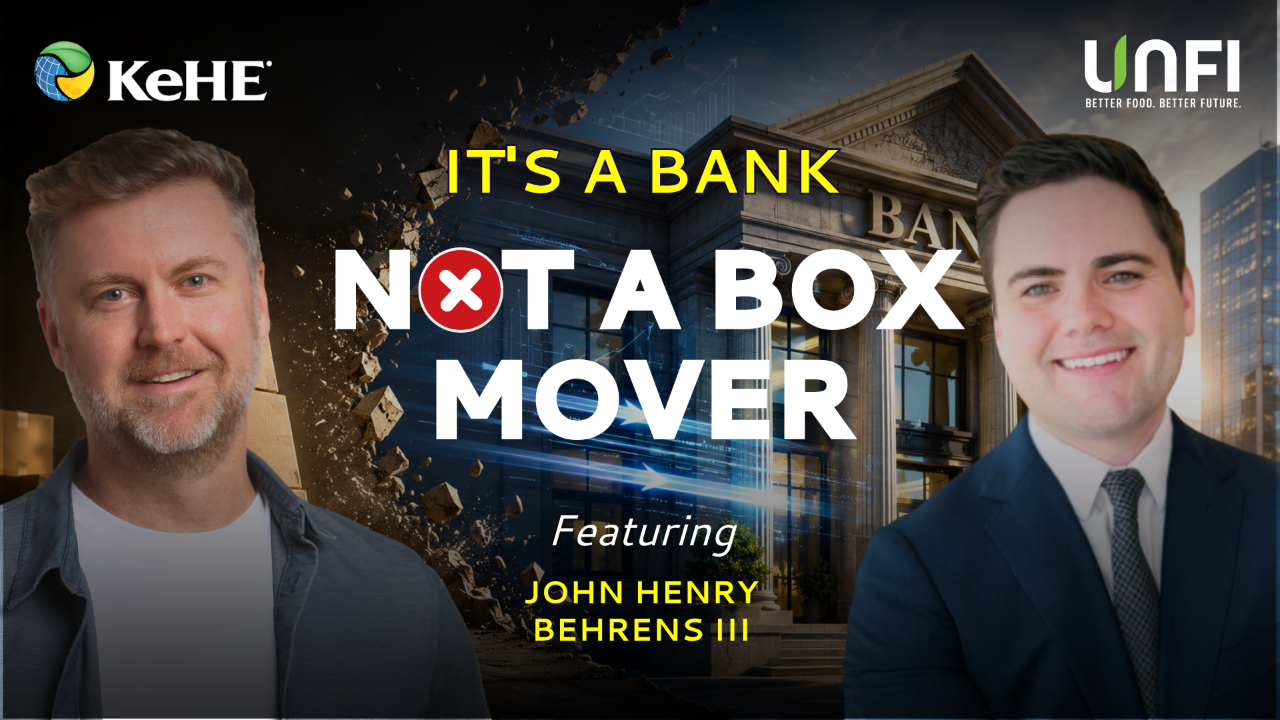
Episode Description
John Henry Behrens spent years inside KeHE — one of the two dominant US natural and specialty distributors — writing the policies that govern deductions, chargebacks, and compliance programs. Now running Socratic CPG, he helps brands navigate the exact system he helped build.
The question most founders ask is: why are there so many deductions? John Henry’s answer reframes the whole relationship. Distributors aren’t logistics companies — they’re closer to banks. They front capital for inventory, absorb markdowns, and carry credit risk across thousands of SKUs. The deduction system exists because the economics of natural food distribution are brutal, and the distributor is trying to survive them too.
In this episode, Nate and John Henry get into the mechanics: why 9.5 out of 10 deductions are legitimate, how to dispute the other 0.5 without burning your category manager, what KeHE’s transparency tools are actually changing, and why the founders who win at retail treat their distributor rep as a partner — not an adversary.
Key Takeaways
- Distributors are banks, not box movers. They front capital, carry inventory, and absorb margin pressure from retailers — understanding this changes how you negotiate and what you expect from the relationship.
- 9.5 out of 10 deductions are legitimate. The fees, shortages, and compliance charges on your statement almost always reflect real costs the distributor absorbed — disputing everything signals you don’t understand the system.
- How you dispute matters as much as whether you dispute. Category managers can see your comments in the portal. Habitual disputers lose goodwill faster than they recover deduction dollars.
- Transparency is improving — but knowledge still wins. KeHE’s KE Connect and KSolve platforms give brands more deduction visibility; brands that understand the rules underneath still come out ahead.
- The distributor relationship is thousands of touchpoints. Brands that manage every interaction intentionally — every deduction response, every reorder, every rep call — become preferred partners. That changes pricing, placement, and support.
- Nobody is actually out to get you. Distributors have thin margins too. If the relationship were truly adversarial, the natural food channel would have collapsed. The problem isn’t malice — it’s misaligned incentives that founders can learn to work with.
See More:




Want more like this?
Join our newsletter list and every Thursday morning you can look forward to actionable insights and free tools for scaling your brand.
We hate SPAM. We will never sell your information, for any reason.
